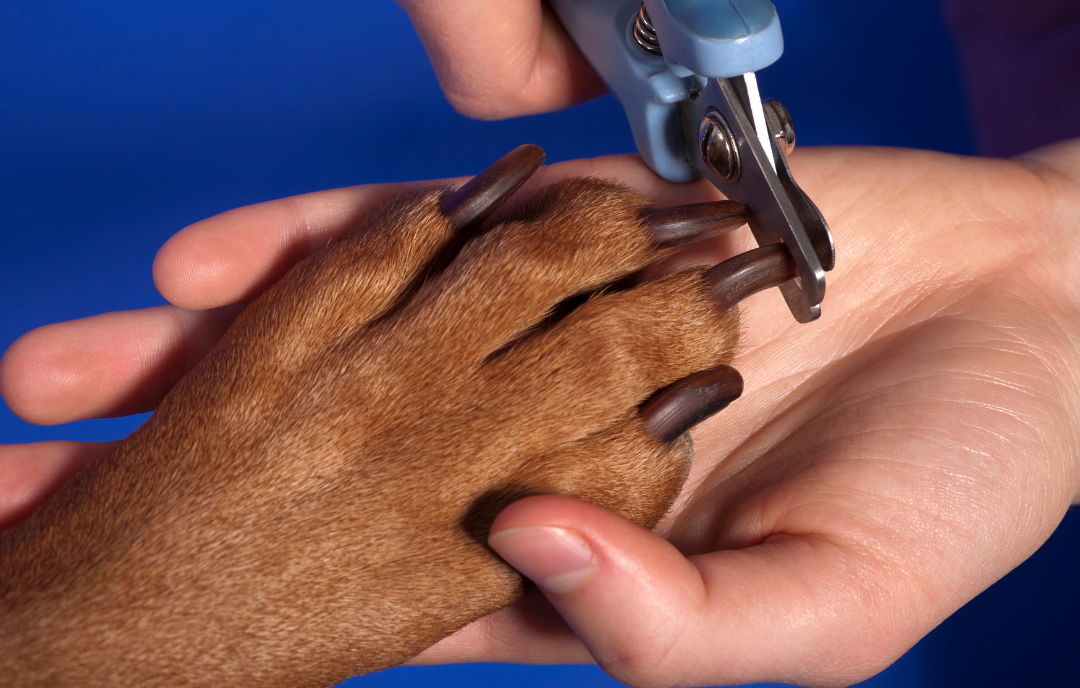
A torn or broken nail can happen in seconds, whether a dog is running outside, playing with a toy, or catching a nail on the carpet. Although it may seem like a minor injury, a damaged nail can be painful and cause significant bleeding. Knowing how to recognize the injury and provide basic first aid can help keep pets comfortable and safe until veterinary care is available.
How Do Nails Break?
Pets can break or tear their nails in several ways, including:
- Getting caught: Nails can snag on carpets, blankets, upholstery, or other materials, causing them to split or tear.
- Running and playing: Sudden stops, sharp turns, jumping, and rough play can put pressure on the nails.
- Outdoor activities: Nails may catch on rocks, roots, fencing, or other surfaces during walks and playtime.
- Overgrown nails: Long nails are more likely to catch on objects or break under pressure.
- Brittle or weakened nails: Some pets may have nails that are more prone to splitting or breaking.
Signs of a Torn or Broken Nail
A damaged nail is not always obvious at first. Watch for these common signs:
- Limping or holding a paw off the ground
- Excessive licking or chewing at a paw
- Sudden yelping or signs of pain
- Bleeding around the nail
- A cracked, split, loose, or partially detached nail
- Swelling or redness around the nail bed
- Reluctance to walk or allow a paw to be touched
The sensitive tissue inside a nail, known as the quick, contains blood vessels and nerves. When exposed or injured, it can cause significant pain and bleeding.
Steps to Apply First Aid
If you suspect a torn or broken nail, stay calm and follow these steps.
- Keep the pet calm. Approach gently and avoid forcing the pet to let you examine the paw. Even friendly animals may react defensively when they are in pain. If the pet becomes distressed or tries to bite, stop and seek veterinary assistance.
- Stop the bleeding. Apply gentle, steady pressure with clean gauze or a clean cloth. If bleeding comes from the nail tip, pet-safe styptic powder may help. Cornstarch can be used as a temporary alternative for minor bleeding from the nail tip.
- Clean the injured area. Once bleeding is controlled, gently rinse away dirt with sterile saline or clean water. Avoid scrubbing the area or using hydrogen peroxide or rubbing alcohol, which can irritate damaged tissue.
- Protect the nail. Prevent the pet from licking or chewing the injured paw. Keep the pet quiet and limit running and jumping. Do not pull off a dangling nail or attempt to trim a deeply cracked or partially attached nail. Avoid tight bandages, which can restrict circulation.
- Notify the owner if you are pet sitting. Contact the pet’s owner promptly, explain what happened, and follow their veterinary instructions. Document the injury and any first aid provided. If the injury is severe or the owner cannot be reached, contact a veterinarian for guidance rather than delaying necessary care.
When Is It Time for a Vet Visit?
Some minor nail-tip injuries can be managed with basic first aid, but many torn or broken nails require veterinary attention.
Contact a veterinarian promptly if:
- The nail is split near its base or torn away from the nail bed.
- A piece of nail is dangling or partially detached.
- The pet is limping, in significant pain, or will not put weight on the paw.
- The toe is swollen, red, or increasingly tender.
- You notice discharge, an unusual odor, or other signs of infection.
Seek urgent veterinary care if bleeding is heavy, does not stop after several minutes of steady pressure, or the injury appears severe. Do not delay care while attempting repeated home treatments.
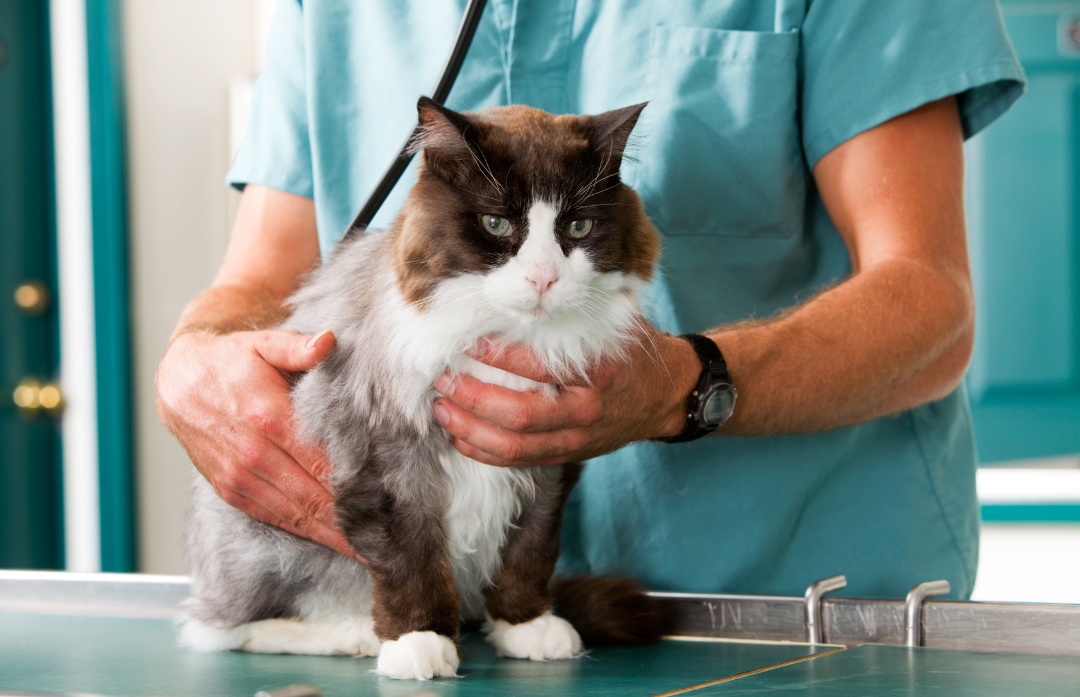
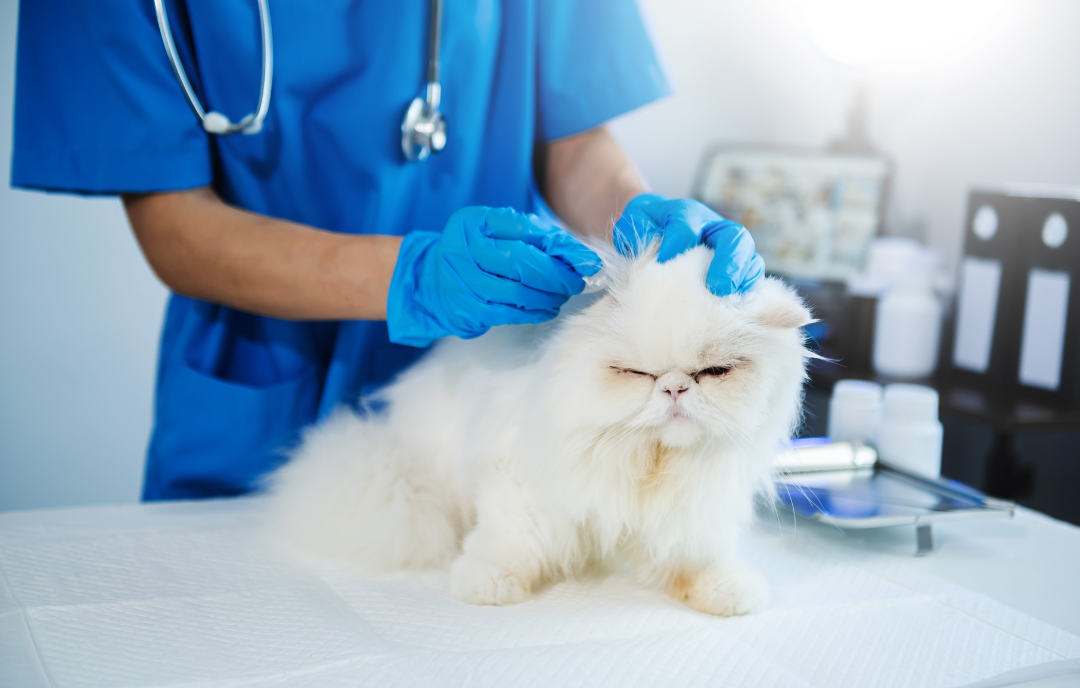
A veterinarian can safely remove damaged nail material when necessary, control bleeding, provide pain relief, and assess the injury for infection or damage to the surrounding tissue.
Never give human pain medications unless specifically directed by a veterinarian, as many are dangerous to pets.
Prevention Practices
A little routine care can help reduce the risk of nail injuries.
- Keep nails trimmed. Regular nail trims help prevent nails from becoming excessively long and catching on surfaces.
- Check paws regularly. Look for cracks, splits, overgrown nails, or changes in the nail’s appearance.
- Inspect the environment. Watch for loose carpeting, snagging fabrics, damaged flooring, and outdoor hazards.
- Use appropriate exercise surfaces. Be mindful of rough or uneven terrain and activities that may put excessive pressure on the nails.
- Keep first aid supplies available. A pet first-aid kit should include clean gauze, sterile saline, and pet-safe styptic powder.
- Know your pet’s normal behavior. Recognizing changes in walking, licking, or paw sensitivity can help you catch an injury early.
A Little Preparation Goes a Long Way
Torn and broken nails can be painful, but calm handling, prompt first aid, and appropriate veterinary care can help prevent complications. Whether you are caring for your own pet or looking after a client’s furry family member, knowing what to look for and how to respond is an important part of responsible pet care.