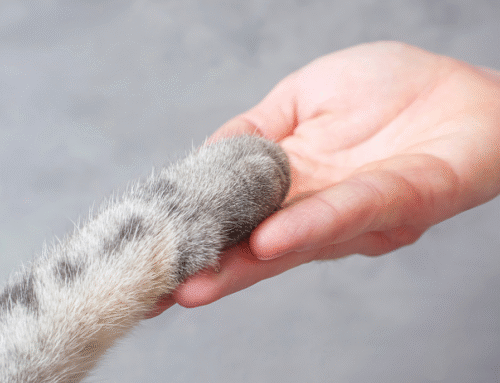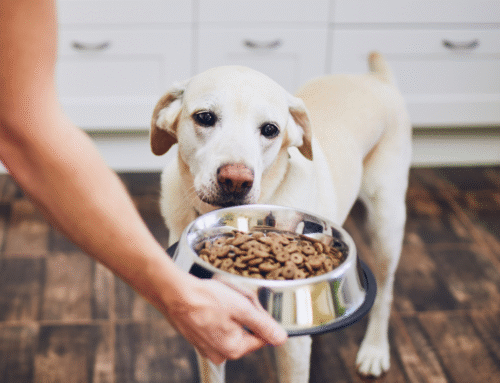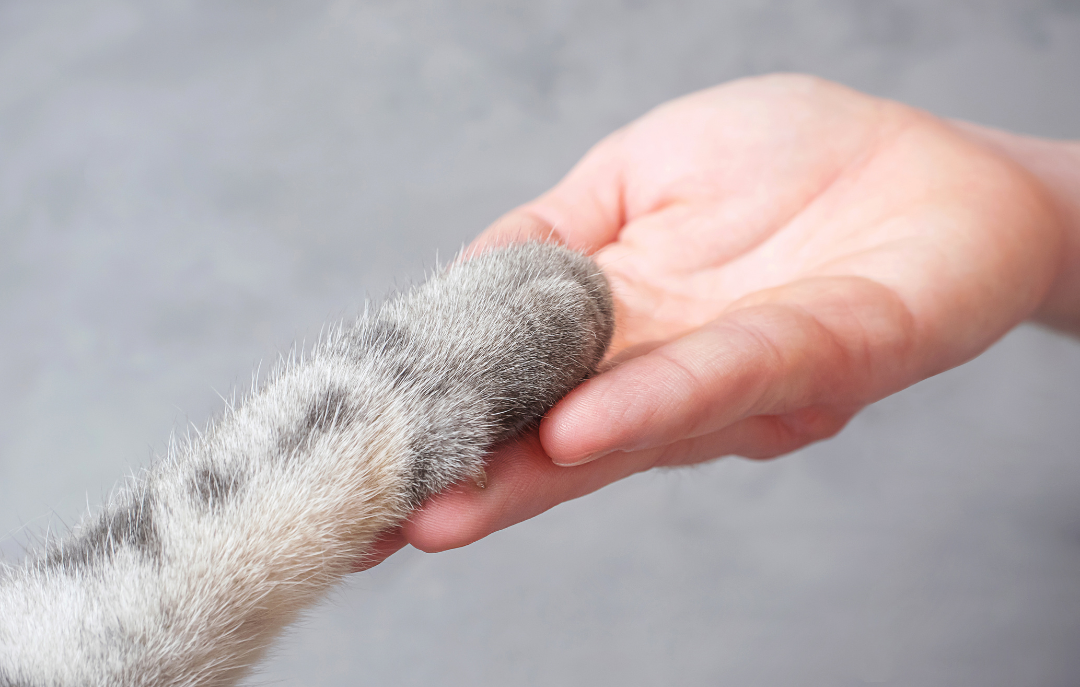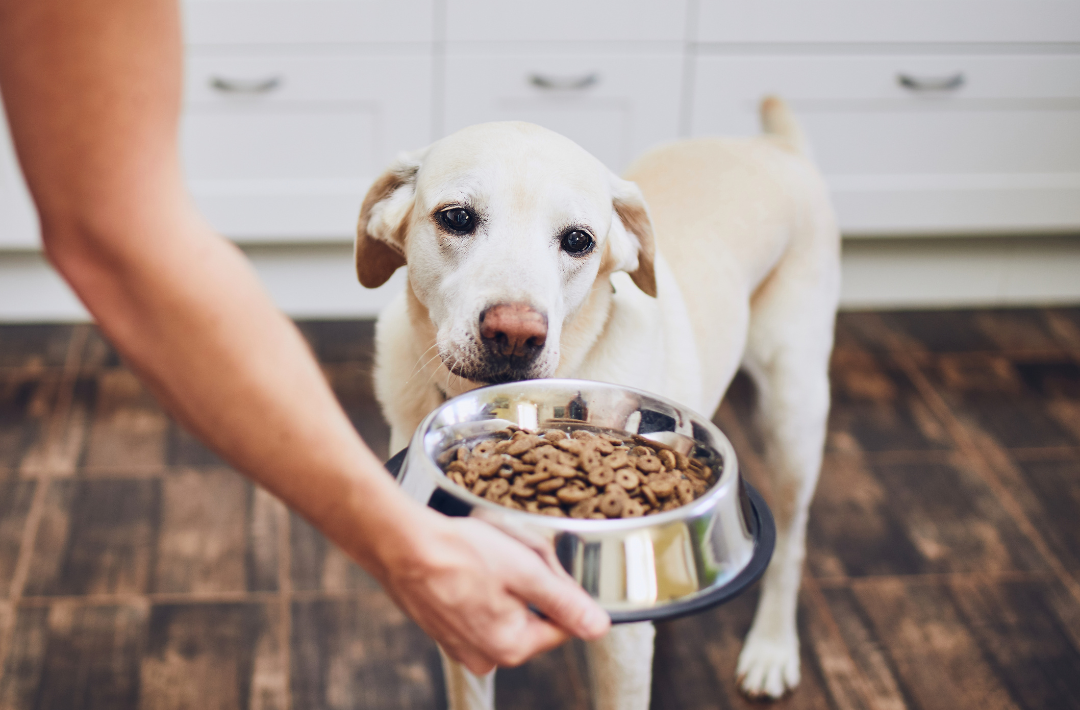

Dogs and cats have evolved through breeding, but their digestive systems remain rooted in their carnivorous origins. While this article is written for dogs, it is worth noting that cats are obligate carnivores and should only be fed meat, organs, and bones. Carbohydrates and legumes can harm their bodies.
A species-appropriate raw diet supports your dog’s biology and provides the nutrients needed for long-term health, vitality, and balance. Feeding raw is not just a trend; it is a return to how our dogs are naturally designed to eat.
In nature, animals consume whole prey. Nothing is cooked, processed, or refined. Dogs are built to eat raw muscle meat, organs, fat, and raw bones. Their strong stomach acid and short digestive tract are specifically designed to safely and efficiently handle raw foods while destroying harmful bacteria that would trouble other species.
What a Proper Raw Diet Includes
A complete raw diet involves more than just feeding meat. Balance is crucial. Dogs need a thoughtful mix of muscle meat for protein, organs for vitamins and minerals, fat for energy and hormone production, and raw bones for calcium and phosphorus. When given in proper ratios, raw food naturally provides the nutrients dogs require without depending on synthetic supplements.
Protein variety also plays an important role. Rotating different protein sources supports a broader nutrient profile and helps reduce food sensitivities. Variety mirrors what dogs experience in a natural environment and helps build a more resilient immune system.
Foods That Do Not Support Canine Health
Many commercial pet foods rely heavily on carbohydrates. While carbohydrates can be useful for omnivores, dogs do not digest or utilize them efficiently. Fruits and vegetables are not harmful, but dogs pass them through too quickly to fully absorb their nutritional value. As a result, they add bulk without offering meaningful benefits.
Cooked foods also create challenges. Heat destroys natural enzymes and reduces the bioavailability of vitamins and minerals. Cooked bones pose a serious safety risk due to splintering. Dogs are designed to consume only raw foods, including raw bones that bend and crush rather than fracture.
Processed foods offer the least nutritional value. Highly refined ingredients and preservatives place unnecessary strain on the digestive system and may contribute to inflammation, allergies, and chronic health conditions over time.
Digestive Health and Nutrient Absorption
One of the most significant benefits of a raw diet is improved digestion. Raw foods contain natural enzymes that help break down nutrients. This allows dogs to absorb more of what they eat and produce less waste. Improved digestion supports gut health, which plays a central role in immune strength and overall wellness.
Many dogs transitioning to raw experience reduced gas, less bloating, and more consistent digestion. A healthy gut also helps regulate inflammation and supports skin, coat, and joint health.
Dental Health the Natural Way
Dental disease is extremely common in dogs fed processed diets. Starchy ingredients encourage plaque buildup, leading to tartar, gum disease, and infections that may spread throughout the body.
Raw feeding naturally supports dental health. Chewing raw bones scrapes plaque from the teeth and strengthens the jaw muscles. Wild dogs and wolves maintain clean teeth without brushing because their diet provides natural dental care. With a raw diet, dental maintenance becomes part of daily life rather than an added chore.
Skin, Coat, and Overall Appearance
Raw diets provide essential fatty acids and nutrients in their most usable form. Many dog owners notice improvements in coat shine, skin hydration, and reduced itching. Hot spots, excessive shedding, and dull coats often improve as inflammation decreases and nutrient absorption increases.
Energy, Strength, and Longevity
Dogs fed raw often display steady energy levels and improved muscle tone. Rather than spikes and crashes, energy becomes consistent throughout the day. Senior dogs may regain mobility, mental clarity, and playfulness, reflecting the body’s ability to repair itself more effectively and maintain itself when properly nourished.
Mental and Physical Enrichment Through Feeding
Eating raw food engages a dog’s instincts. Tearing meat and crunching bones provide mental stimulation and physical exercise for the jaw, neck, and shoulders. This activity releases endorphins, leaving dogs relaxed and content after meals. Many behavior issues related to boredom or frustration improve when dogs are mentally satisfied through natural feeding behaviors.
Stool Quality and Elimination
Raw-fed dogs typically produce smaller, firmer stools that are easier to clean up and far less odorous. Because the body uses more of the food consumed, there is less waste. Healthy stools are a clear indicator of improved digestion and overall gut health.
Transitioning to a Raw Diet
Transitioning to raw should be done thoughtfully. Our local expert, Valerie Heffron at The K9 Shop, recommends going cold turkey over a slow transition. Both dogs & cats have very short digestive tracts, so we’re dealing with a clean slate every day. Also, this makes it easier to monitor results quickly. Proper food handling and storage are also important to maintain safety and freshness.
Long-Term Health Benefits
Feeding a raw diet supports the body as a whole. When dogs eat food that aligns with their biological needs, their immune system strengthens, inflammation decreases, and organ systems function more efficiently. Over time, many raw-fed dogs require fewer veterinary visits and enjoy a higher quality of life.
A raw diet is not about complexity or perfection. It is about returning to natural nourishment that supports dogs from the inside out. Visit Valerie Heffron at The K9 Shop for more information and to start your pet on a raw food diet.