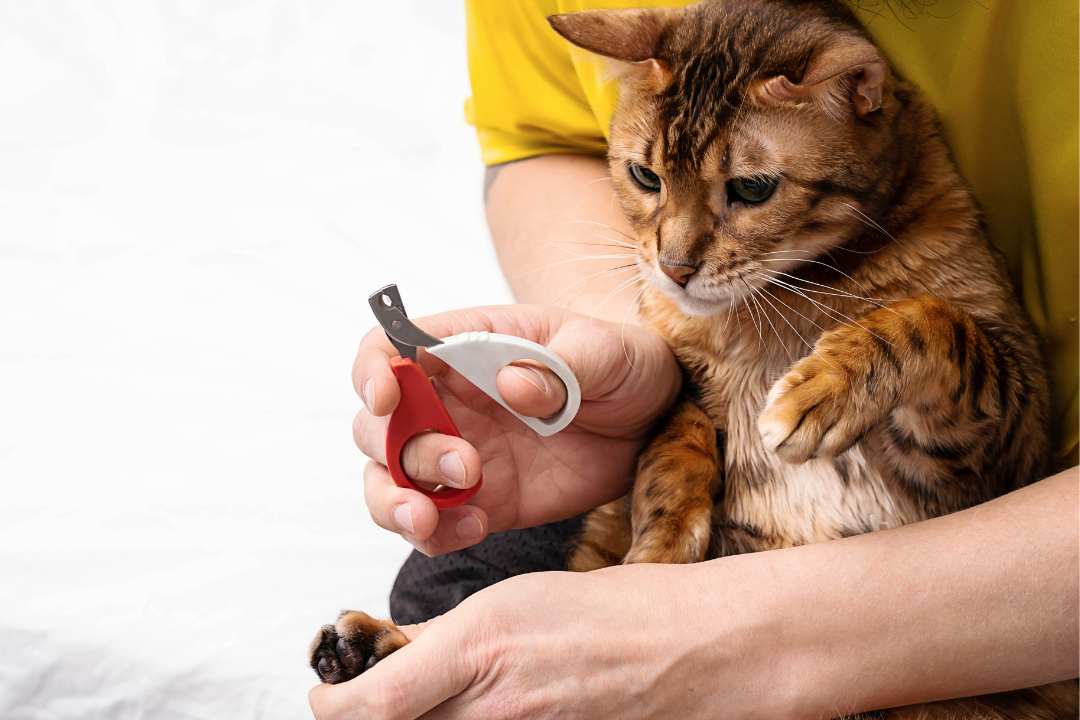
When it comes to caring for your pets, nail trimming may not be the first thing that comes to mind. However, maintaining proper nail length is one of the simplest and most important ways to support your pet’s comfort, posture, and long-term health. Regular nail care is not just about appearance, it directly affects how your pet moves, feels, and functions every single day.
How Overgrown Nails Affect the Body
Many pet parents don’t realize that long nails can actually change a dog’s entire body alignment. When nails grow too long and touch the ground, they push the toes upward. This shifts your dog’s weight backward onto the paw pads and joints rather than allowing proper toe placement.
Over time, this unnatural positioning can contribute to:
- Joint strain in the wrists and ankles
- Increased pressure on elbows and shoulders
- Hip and back discomfort
- Reduced traction and stability
- Greater risk of arthritis flare-ups
Dogs are meant to stand and walk on properly aligned toes. When that alignment is off, it impacts the whole skeletal system.
For cats, overgrown nails can become just as problematic. Indoor cats especially may not naturally wear down their nails enough. If left untrimmed, nails can curl inward and grow into the paw pads, leading to pain, inflammation, and possible infection. Senior cats are particularly vulnerable because they may scratch less frequently.
Increased Risk of Injury
Long nails are more fragile and more likely to split or tear. A nail that catches on carpet, upholstery, or even outdoor terrain can rip painfully. Torn nails bleed heavily and often require veterinary care.
Overgrown nails also reduce traction. This increases the chance of slipping on hardwood or tile floors, which can lead to muscle strain or more serious injury.
Regular trimming helps:
- Prevent painful snags and tears
- Maintain healthy nail structure
- Reduce slipping on smooth surfaces
- Support better balance and coordination
Signs Your Pet Needs a Nail Trim
Sometimes the signs are subtle. Here’s what to watch for:
- Clicking or tapping sounds on hard floors
- Nails visibly touching the ground while standing
- Reluctance to walk on certain surfaces
- Excessive licking of paws
- Changes in posture
- Scratching that feels sharper than usual
A good rule of thumb for dogs: if you hear the nails, it’s time for a trim.
How Often Should Nails Be Trimmed?
Every pet is different. Activity level, breed, age, and lifestyle all play a role.
- Dogs: Typically every 3–4 weeks
- Cats: About every 3–6 weeks
- Senior pets: Often need more frequent trims because they’re less active
- Very active dogs on pavement: May naturally file nails down but still require monitoring
Consistency is key. Frequent small trims are better than waiting too long and cutting back a large amount at once.
Understanding the “Quick”
Inside each nail is a blood vessel called the quick. When nails grow long, the quick grows longer too. That’s why regular trimming is important — it helps the quick gradually recede, allowing you to maintain shorter, healthier nails safely.
If nails are neglected for long periods, it becomes harder to trim them back to a healthy length without discomfort. Routine maintenance makes each trim easier and safer.
Making Nail Trimming a Positive Experience
For some pets, nail trimming can feel stressful. The good news is that it doesn’t have to be.
Helpful tips include:
- Start handling paws regularly when your pet is relaxed
- Use positive reinforcement (treats, praise, calm voice)
- Trim one or two nails at a time if needed
- Keep sessions short and positive
- Stay calm — pets pick up on your energy
Building trust is more important than speed.
Beyond Comfort: Protecting Your Home
Short nails are not only better for your pet’s body — they also help protect:
- Hardwood floors
- Furniture and upholstery
- Clothing and skin
- Screens and door frames
Maintaining nails reduces accidental scratches during greetings and playtime.
Why Nail Care Matters for Overall Wellness
Nail trimming is part of preventive care. Just like proper nutrition, dental hygiene, and regular exercise, nail maintenance supports your pet’s overall wellness.
Healthy nail length contributes to:
- Proper gait and posture
- Reduced joint stress
- Better mobility in senior years
- Greater confidence during walks and play
Comfortable paws lead to happier pets.
Gentle handling, patience, and consistency go a long way in maintaining healthy grooming routines. Whether your pet loves a good paw massage or needs a little extra reassurance, regular nail care is one of the simplest ways to show them love. Taking a few minutes each month for nail maintenance can make a lasting difference in your pet’s health, comfort, and quality of life. Happy paws truly mean happy pets.